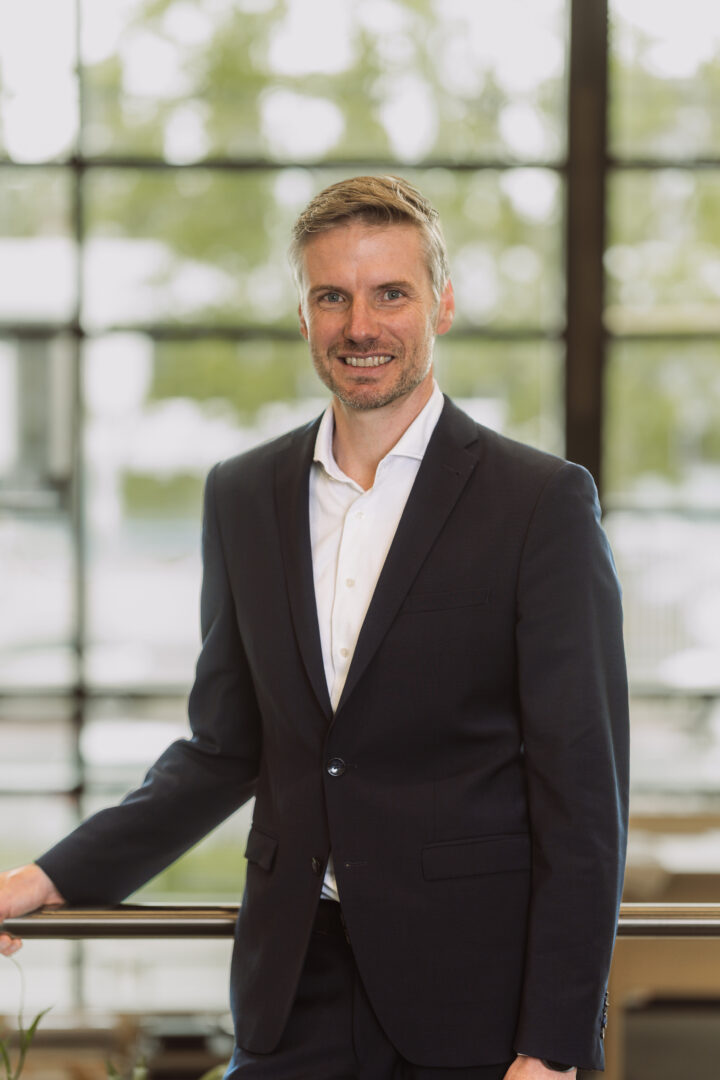
In conversation with Bob de Bruijn, Board Member Marine & Innovation
Technology is becoming more capable by the day. The real opportunity lies in deciding where it can make a meaningful difference.
For Bob de Bruijn, Board Member Marine & Innovation at Van Ameyde Group, meaningful innovation starts with understanding where value is created and asking how technology can strengthen it.
“AI is not the holy grail. It can help us, but it is not a magic pill.”
Rather than starting with what AI can automate, the better question is what can be improved. Can a process be simpler? Can knowledge become more accessible? Can technology create more room for specialists to focus on the decisions where their expertise genuinely matters?
Technology should follow the problem
New technology creates opportunities, but applying it to an existing way of working does not automatically create progress.
For Bob, innovation therefore starts with challenging the process itself. Simplify where possible, understand where human expertise adds value and only then determine how technology can support it. AI can help analyse information, identify what matters and work with volumes of data that no individual could realistically process.
But getting there requires experimentation.
“A lot of failures. It’s like riding a bicycle, you have to fall before you learn.”
Testing ideas, building proofs of concept and learning from what does not work are part of moving forward. Small improvements may appear incremental, but together they can fundamentally change how work is done.
Making 80 years of knowledge work harder
For Van Ameyde, that creates an interesting opportunity. Eight decades of handling claims and working across specialist disciplines have created something technology cannot simply generate: experience. The challenge is making that experience accessible when it matters.
Marine provides a clear example. Complex claims depend on investigation, judgement, and specialist knowledge. A surveyor may encounter a particular situation only occasionally, while similar cases may have been handled elsewhere within the Group over many years.
Technology can help connect those experiences. AI can search across historical reports and cases, identify relevant knowledge, and bring it into the context of a new assignment.
“It’s not about making it without the human. It’s about enhancing the knowledge.”
That is a fundamentally different ambition from simply automating a process. The technology does not replace the specialist; it helps the specialist draw on more of the expertise the organisation has already built.
More technology can mean more human expertise
The same principle reaches beyond Marine.
As technology takes on more administrative and transactional work, professionals can move closer to the areas where their contribution matters most: decision-making, judgement, control, knowledge and empathy.
For organisations handling claims, that could mean less time spent collecting and entering information and more time understanding situations, making decisions and communicating with the people involved.
For Bob, the opportunity is therefore not about doing the same work with fewer people. It is about enabling people to focus on work where their expertise can add value, while supporting growth with the expertise already available.
Innovation ultimately comes back to mindset
Technology will keep changing. What determines its impact is how organisations respond to it.
That requires curiosity, a willingness to experiment and perspectives from beyond a single team or discipline. Bob’s own view of innovation has been shaped by working across different businesses, geographies and cultures, and by developing ideas together with clients.
For an organisation with 80 years behind it, experience should not be a reason to keep doing things the same way. It can become the foundation for doing them differently.
Technology can help unlock that experience. Human expertise determines how it is used.
And, as Bob puts it:
“In the end, it’s the mindset.”