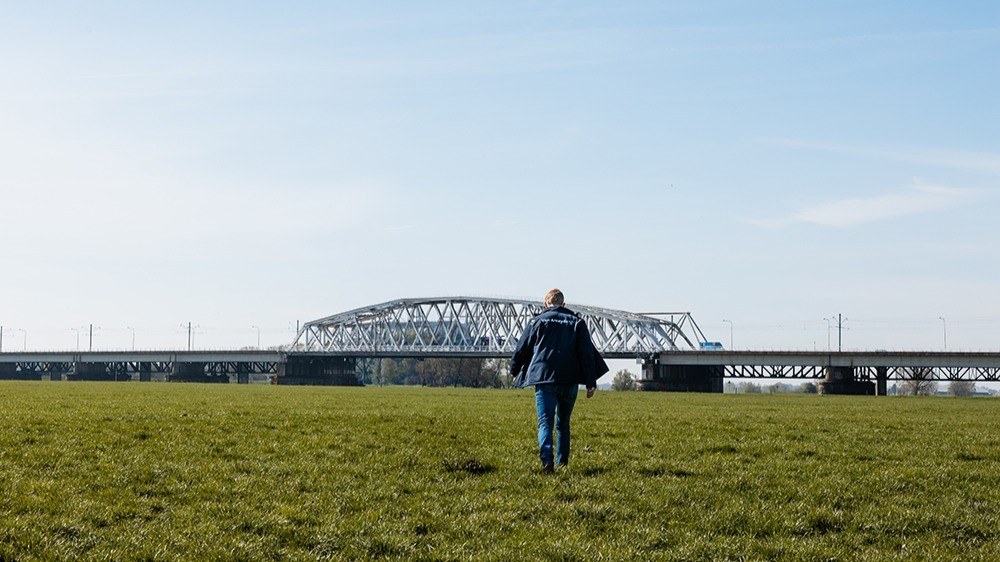
Some roles are best understood by stepping into the field.
For wildlife damage assessors, no two days are the same. Planning may start with a structured route and a full agenda, but reality quickly introduces new variables. New cases arise; priorities shift, and on-site conditions require immediate judgment.
Where planning meets reality
A typical day starts early, with carefully prepared routes and scheduled assessments. Efficiency is key when covering large areas and multiple cases.
At the same time, fieldwork is rarely predictable. Urgent requests or last-minute reports require flexibility. Balancing responsiveness with feasibility is part of the role.
What was once a side activity has evolved into a fully recognized profession, requiring formal training, certification and extensive field experience.
Assessing damage with precision
Each site visit follows a structured approach. In grassland assessments, timing is critical. Early reporting allows for accurate evaluation before further agricultural activity takes place. Damage patterns such as grazing, trampling, or contamination are carefully observed and documented.
Clear communication with landowners ensures transparency and avoids misunderstandings. Measurements, reference points, and photographic evidence form the basis of every assessment.
Experience makes the difference
Not all cases are straightforward. Crop damage can be caused by different wildlife species, each leaving distinct patterns. Identifying the correct cause requires both technical knowledge and experience. Observations are supported by data and documented according to established methodologies.
This is where expertise directly impacts the quality and credibility of the outcome.
Consistency under changing conditions
Conditions vary throughout the day, but consistency remains essential.
Every assessment must be objective, traceable, and well-founded, regardless of location or workload. This consistency ensures trust across all stakeholders.
More than fieldwork
Wildlife damage assessment combines structured processes, technical methodology, and professional judgment.
At Van Ameyde, this expertise is supported by standardized approaches and continuous knowledge development, enabling assessors to deliver reliable outcomes in dynamic environments.
Also discover the day-to-day practice of wildlife damage assessment in the original Dutch article.
Full article in Dutch